Thursday, October 30, 2025

Struggling With SSD Paperwork? We’ve Got You.

Struggling With Your SSD Application? Don’t Do It Alone.

Applying for Social Security Disability (SSD) benefits can be confusing and frustrating. Many deserving people face delays or denials simply because of paperwork errors or missing details.

Here’s how to boost your chances of approval:


Gather strong evidence – Medical records, doctor’s notes, lab results, and employment history matter.

Be clear and specific – Describe exactly how your condition limits your daily life.

Stay consistent – Make sure every form and record tells the same story.

Don’t give up after a denial – Most cases win on appeal with proper representation.

Be patient – The process takes time, but persistence pays off.


Having a skilled disability advocate by your side makes all the difference, ensuring forms are complete, deadlines are met, and your case is presented the right way.


Need help?

Let CDA Offices guide you through every step of your SSD claim or appeal.

Facebook  Instagram  LinkedIn

Wednesday, October 29, 2025

Get Approved for SSD Benefits Faster

What is SSDI?


Social Security Disability Insurance (SSDI) is a federal benefit that provides monthly income to people who can’t work due to a qualifying long-term medical condition. It’s funded by payroll taxes—so eligibility depends on both medical status and prior work history.


Who is Eligible for SSDI Benefits?


You may qualify if you:

  • Earned enough work credits in Social Security–covered jobs, and
  • Have a medically determinable condition that prevents substantial work and is expected to last 12 months or longer (or result in death).
  • Certain dependents of eligible workers may also receive benefits.


The SSDI Application Process:
A Step-by-Step Guide


  1. Prepare your file: Gather medical records, treatment notes, test results, medication lists, and work history.
  2. Apply (online, phone, or in person): Clearly describe daily limitations (standing, walking, concentration, pain flare-ups, etc.).
  3. Respond quickly: If SSA requests more info or exams, reply promptly.
  4. Track care: Continue treatment and keep records current.
  5. Appeal on time: If denied, file a reconsideration within 60 days. Further levels include a hearing, Appeals Council, and federal court.


Need help?


Get guidance from an experienced California disability advocate

from application to appeals.

Facebook  Instagram  LinkedIn

You Have a Disability — But You Don’t Have to Fight the System Alone

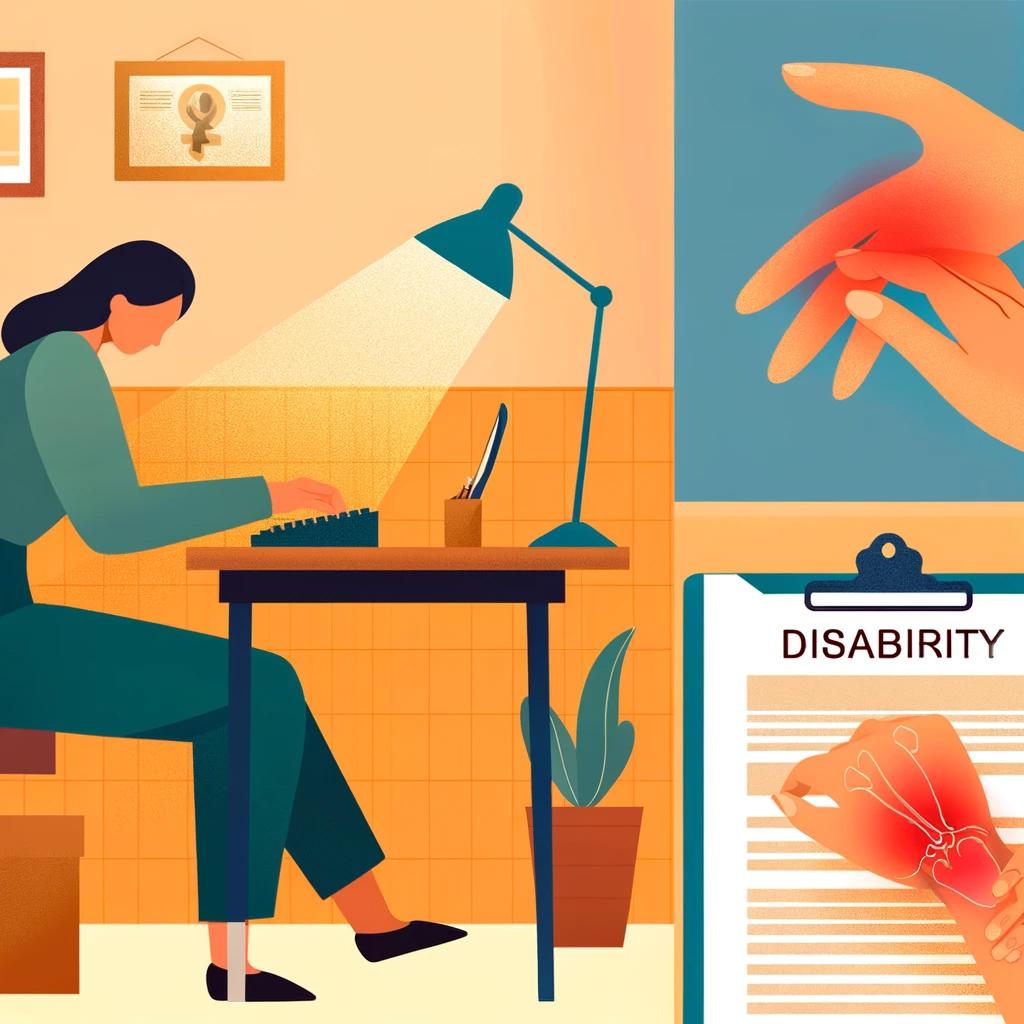
If a physical or mental condition makes it impossible for you to work, you may qualify for Social Security Disability (SSD) benefits. But what exactly does that mean? Here's a clear breakdown:


What Is Social Security Disability (SSD)?


SSD is a federal program designed to help individuals who have paid into the Social Security system and now can no longer work because of a serious, long-term condition. It includes Social Security Disability Insurance (SSDI) and sometimes intersects with SSI (Supplemental Security Income) depending on your financial situation.


SSD provides monthly income when your disability prevents you from maintaining gainful employment. (Adapted from Binder & Binder’s “What Is Social Security Disability”)

Key Features & Benefits


  • Disability must be medically documented — It’s not enough to “feel” disabled; medical evidence must support your limitations.
  • Duration requirement — The condition must be expected to last at least 12 months or result in death.
  • Work history matters — To qualify for SSDI, you must have earned enough work credits in jobs covered by Social Security.
  • Overlap with SSI — If your work history is limited or your income/assets are low, you may also be eligible for SSI.

Why Understanding

It Matters


Knowing what SSD covers and how it works helps you:


  • Gather the right medical evidence
  • Pick the correct application path (SSDI vs. SSI)
  • Avoid unnecessary denials
  • Advocate better for yourself or your loved ones


If you’re struggling with a debilitating condition and want help determining whether you qualify or how to apply, a California disability advocate can guide you step by step.

Facebook  Instagram  LinkedIn

Tuesday, October 14, 2025

Get Approved for SSD Benefits Faster

Applying for Social Security Disability (SSD) benefits can feel overwhelming. Many applicants face delays or denials simply because the process is complex and requires detailed information.

Here are some key steps to improve the chance of success:


  • Gather strong documentation – Medical records, treatment notes, lab results, prescriptions, and employment history are essential.
  • Be specific in your application – Clearly explain how conditions affect daily life and limit activities.
  • Stay honest and consistent – Avoid vague or exaggerated statements; consistency across forms and records is critical.
  • Know the appeals process – Most applications are denied initially, but appeals can succeed with the right guidance.
  • Be patient and persistent – Decisions may take months, and benefits include a mandatory waiting period.


A knowledgeable advocate can make the process less stressful, ensuring all paperwork is complete and appeals are handled properly.


Need help with your SSD application?

Get support from an experienced disability advocate in California who can guide you

every step of the way.

Facebook  Instagram  LinkedIn

Sunday, October 12, 2025

You Have a Disability — But You Don’t Have to Fight the System Alone

If a physical or mental condition makes it impossible for you to work, you may qualify for Social Security Disability (SSD) benefits. But what exactly does that mean? Here's a clear breakdown:


What Is Social Security Disability (SSD)?


SSD is a federal program designed to help individuals who have paid into the Social Security system and now can no longer work because of a serious, long-term condition. It includes Social Security Disability Insurance (SSDI) and sometimes intersects with SSI (Supplemental Security Income) depending on your financial situation.


SSD provides monthly income when your disability prevents you from maintaining gainful employment. (Adapted from Binder & Binder’s “What Is Social Security Disability”)

Key Features & Benefits


  • Disability must be medically documented — It’s not enough to “feel” disabled; medical evidence must support your limitations.
  • Duration requirement — The condition must be expected to last at least 12 months or result in death.
  • Work history matters — To qualify for SSDI, you must have earned enough work credits in jobs covered by Social Security.
  • Overlap with SSI — If your work history is limited or your income/assets are low, you may also be eligible for SSI.

Why Understanding

It Matters


Knowing what SSD covers and how it works helps you:


  • Gather the right medical evidence
  • Pick the correct application path (SSDI vs. SSI)
  • Avoid unnecessary denials
  • Advocate better for yourself or your loved ones


If you’re struggling with a debilitating condition and want help determining whether you qualify or how to apply, a California disability advocate can guide you step by step.

Facebook  Instagram  LinkedIn