Wednesday, August 28, 2024

In-Home Supportive Services (IHSS) Program

logo 1.jpg

In-Home Supportive Services (IHSS) Program


The In-Home Supportive Services (IHSS) program provides in-home assistance to eligible aged, blind, and disabled individuals as an alternative to out-of-home care and enables recipients to remain safely in their own homes.


Who is it For:

Eligibility criteria for all IHSS applicants and recipients:

You must also be a California resident.

You must have a Medi-Cal eligibility determination.

You must live at home or an abode of your own choosing (acute care hospital, long-term care facilities, and licensed community care facilities are not considered "own home").

You must submit a completed Health Care Certification form.

How the program works:

A county social worker will interview you at your home to determine your eligibility and need for IHSS. Based on your ability to safely perform certain tasks for yourself, the social worker will assess the types of services you need and the number of hours the county will authorize for each of these services. This assessment will include information given by you and, if appropriate, by your family, friends, physician, or other licensed health care professional.

A completed Health Care Certification must be received by the county prior to authorization of services.

You will be notified if IHSS has been approved or denied. If denied, you will be notified of the reason for the denial. If approved, you will be notified of the services and the number of hours per month which have been authorized for you.

If you are approved for IHSS, you must hire someone (your individual provider) to perform the authorized services. You are considered your provider's employer and, therefore, it is your responsibility to hire, train, supervise, and fire this individual.

If your county has contracted IHSS providers, you may choose to have services provided by the contractor.

If your county has homemaker employees, you may receive services from a county homemaker.


Visit our Website
Facebook  Instagram

Who can get Survivor benefits Inbox

California Disability Advocates

Spouses and ex-spouses

You may be eligible if you: 


  • Are age 60 or older, or age 50–59 if you have a disability, and
  • Were married for at least 9 months before your spouse's death, and
  • Didn’t remarry before age 60 (age 50 if you have a disability).


Ex-spouses who were married for at least 10 years, as well as some valid non-marital legal relationships, may be eligible.


You might be eligible regardless of age and how long you were married. One common example is if you’re caring for a child of the person who died.


Children

Children of someone who died may be eligible if they're unmarried and are:

  • Age 17 and younger, or
  • Ages 18–19 and in school (K–12) full time, or
  • Any age if they developed a disability at age 21 or younger.

Under certain circumstances, we can also pay benefits to marrie


d children, stepchildren, adopted children, grandchildren, and stepgrandchildren.


Dependent parents


You might be eligible if you’re age 62 or older and were financially supported by your child who died.

  • We can help you complete and submit your application.
  • We review your application to make sure you meet our basic requirements
  • We confirm you worked enough years to qualify.
  • We evaluate any current work activities.
  • We process your application and forward your case to the Disability Determination Services office in your state.
  • This state agency makes the disability determination decision.


call us for free consultation or visit or website

Visit our Website
Facebook  Instagram

Saturday, August 24, 2024

Is arthritis a disability?

Is arthritis a disability? Can you get disability for arthritis? And how severe does my arthritis have to be to get disability benefits?

Social Security Disability Insurance (SSDI) currently benefits millions of Americans and their families. However, many people who could benefit from the program are either unsure that they qualify or are intimidated by the process.   


To see if your arthritis could qualify for disability, we must first understand how disabilities are evaluated.


What is Arthritis?

There are many types of arthritis that affect people all over the world. The two main forms of joint pain are rheumatoid arthritis and osteoarthritis.

Rheumatoid arthritis is an auto-immune disorder that affects the lining of your joints. After some time, it can harm your joint ligament and bones resulting in stiffness and pain.


Osteoarthritis happens when ligaments in your joints wear out over time. Many people may wonder is arthritis a disability. Yes. Arthritis can prompt incapacity, as can numerous other mental and physical conditions that qualify for disability.

If your arthritis confines your daily movements, or activities you may qualify for disability benefits.

Your level of disability depends on the daily activities you find troublesome. For illustration, you'll have trouble:


  1. walking up stairs
  2. walking for an extended period of time
  3. standing or sitting
  4. grasping small objects
  5. lifting 10 pounds or more
  6. holding your arms up
  7. Is Arthritis A Disability?
  8. Yes, arthritis is considered a disability by the Social Security Administration. If you are unable to work because of your arthritis, you may qualify for disability benefits.

Since arthritis is seen as a disability, can you get a disability for arthritis?


The answer to this revolves around your working ability following your arthritis diagnosis. More specifically, if your arthritis keeps you from working for at least 12 months, then you may be able to qualify for disability benefits with arthritis. However, you will need to provide evidence that your arthritis meets the SSA's definition of a disability as well as a Blue Book listing.

How Arthritis Can Cause Joint Dysfunction


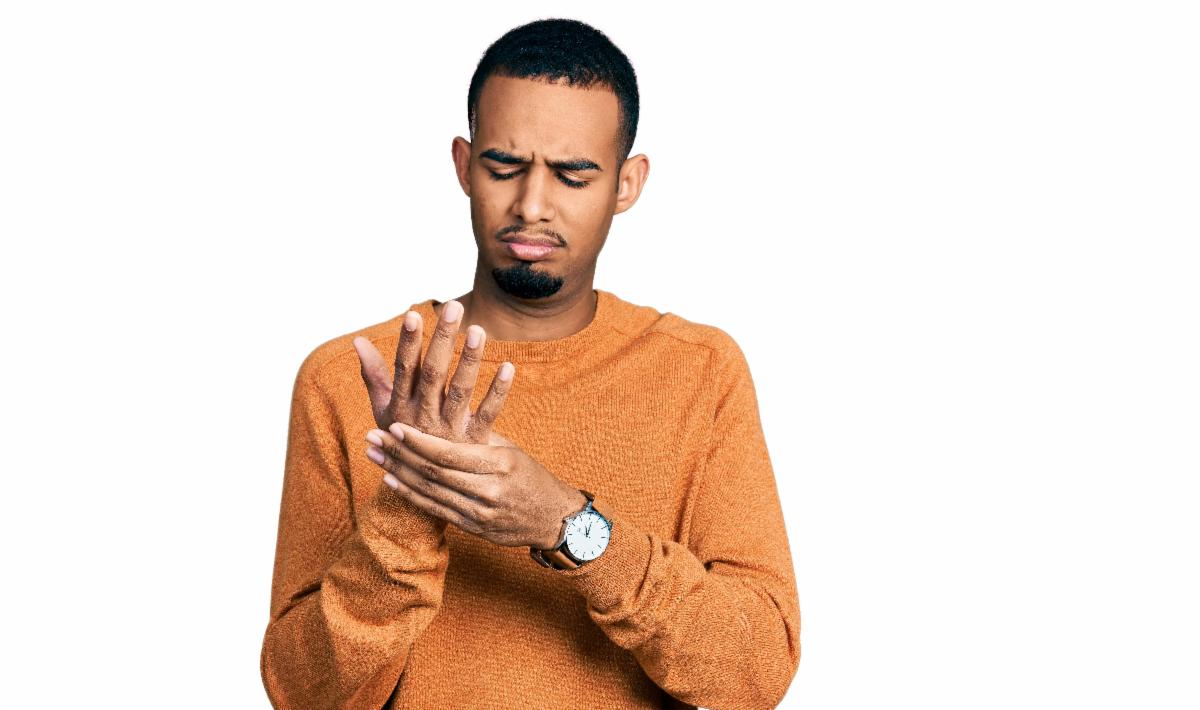
If you are out of work for at least 12 months, you get get disability with arthritis.jpegArthritis can cause your joints to encounter major dysfunction due to distortions such as misalignments, shortening of the joint or persistent pain and firmness.


In case your condition has expanded to a dysfunction in any of your joints, you should qualify for benefits.


Visit our Website
Facebook  Instagram

Tuesday, August 20, 2024

The Basics About Disability Benefits

California Disability Advocates

The Basics About Disability Benefits

The SSDI program pays benefits to you and certain family members This means that you worked long enough – and recently enough - and paid Social Security taxes on your earnings. The SSI program pays benefits to adults and children who meet our requirements for a qualifying disability and have limited income and resources.

While these two programs are different, the medical requirements are the same. If you meet the non-medical requirements, monthly benefits are paid if you have a medical condition 

expected to last at least one year or result in death.

Visit our Website
Facebook  Instagram

The Disability Application Process

Whether you apply online, by phone, or in person, the disability benefits application process follows these general steps:

  •  You gather the information and documents you need to apply. We recommend you print and review the Adult Disability Checklist It will help you gather the information and documents you need to complete the application.


Checklist for Adult Disability Application


Date and Place of Birth — If you were born outside the United States or its territories


  1. Marriage and Divorce 
  2. Names and Dates of Birth of Children  
  3. U.S. Military Service 
  4. Employer Details for Current Year and Prior 2 Years (not self-employment)  
  5. Self-Employment Details for Current Year and Prior 2 Years 
  6. Direct Deposit — Domestic bank (USA) 
  7. Direct Deposit — International bank (non-USA) 
  8. Alternate Contact 


List of your Medical Conditions 


  1. Information About Doctors, Healthcare Professionals, Hospitals, and Clinics 
  2. Job History 
  3. Education and Training 
  • We can help you complete and submit your application.
  • We review your application to make sure you meet our basic requirements
  • We confirm you worked enough years to qualify.
  • We evaluate any current work activities.
  • We process your application and forward your case to the Disability Determination Services office in your state.
  • This state agency makes the disability determination decision.


call us for free consultation or visit or website

Once You've Applied

Processing time for disability applications vary depending on the nature of the disability, necessary medical evidence or examinations, and applicable quality reviews.

Once we receive your application, we’ll review it and contact you if we have questions. We might request additional documents from you before we can proceed.

Visit our Website
Facebook  Instagram

Sunday, August 11, 2024

Benefits for Children with Disabilities

logo 1.jpg

California Disability Advocates

Specializing in Social Security Disability Claims


Benefits for Children with Disabilities

A child under age 18 may have a disability, but we don't need to consider the child's disability when deciding if he or she qualifies for benefits as a dependent. The child's benefits normally stop at age 18 unless they are a full-time elementary or high school student until age 19 or have a qualifying disability.

Children who were receiving benefits as a minor child on a parent’s Social Security record may be eligible to continue receiving benefits on that parent’s record upon reaching age 18 if they have a qualifying disability.

Adults with a Disability that Began Before Age 22

An adult who has a disability that began before age 22 may be eligible for benefits if their parent is deceased or starts receiving retirement or disability benefits. We consider this a "child's" benefit because it is paid on a parent's Social Security earnings record.

The Disabled Adult Child (DAC) — who may be an adopted child, or, in some cases, a stepchild, grandchild, or step grandchild — must be unmarried, age 18 or older, have a qualified disability that started before age 22, and meet the definition of disability for adults.

What if the child is already receiving SSI or disability benefits on their own record and turns 18?

A child already receiving SSI benefits or disability benefits on his or her own record should check to see if DAC benefits may be payable on a parent's earnings record when they reach age 18. Higher benefits might be payable and entitlement to Medicare may be possible.

Visit our Website
Facebook  Instagram